Parents and carers
Explore playful ways to use music during everyday moments at home, from getting ready and moving between activities to sharing time together. Start small and adapt to your child’s interests and responses.
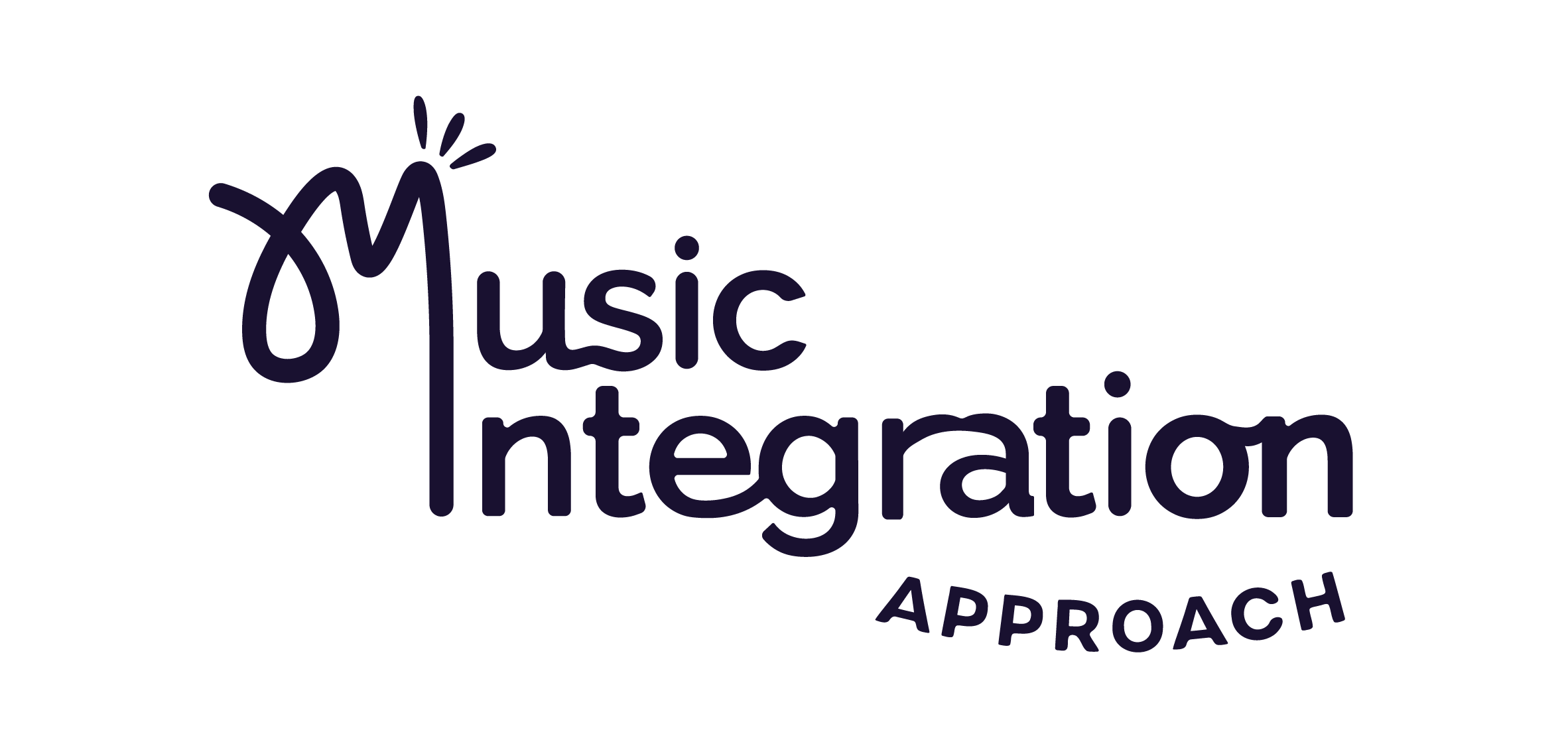
A practical starter course for parents, carers, educators and healthcare professionals who want to explore using music to support regulation, communication and engagement.
Whether you’re supporting your child, teaching a class or working with clients, this introductory course will equip you with simple ways to bring music into the routines you already use.
Explore playful ways to use music during everyday moments at home, from getting ready and moving between activities to sharing time together. Start small and adapt to your child’s interests and responses.
Bring music into familiar classroom routines to support participation, transitions and shared attention. Explore practical ideas you can adapt for individual learners, small groups or the whole class.
Explore ways to use music intentionally within your existing role and scope of practice. Adapt simple routines to support engagement, communication and participation in the work you already do.
You don’t need to be a musician. Start with what fits your setting.
Learn some of the principles, then choose how to bring music into the moment. You’ll be able to choose from different routines that fit the person, your setting and what you’re already doing.

Create a familiar musical beginning that helps signal it’s time to join in.
Use a musical cue to support moving from one activity or moment to the next.
Explore how music selection, tempo and volume can be adapted to the person and the moment.
Bring a clear beat into simple movement activities and notice what invites participation.
Explore clapping, tapping and instrument play as opportunities for shared attention and back-and-forth interaction.
Observe the person’s responses, respect their preferences and adjust accordingly. There isn’t one piece of music or one routine that works for everyone.
One Starter Kit brings the learning, resources and community together.
Learn with Natalie through explanations and practical demonstrations, from the foundations of MIA to your own implementation challenge. Follow along with a comprehensive course workbook.
Use the course cheat sheets and the 7-Day / 14-Day Challenge resource to help you put one routine into practice.
A space to ask questions, share reflections and learn alongside other parents, educators and healthcare professionals.
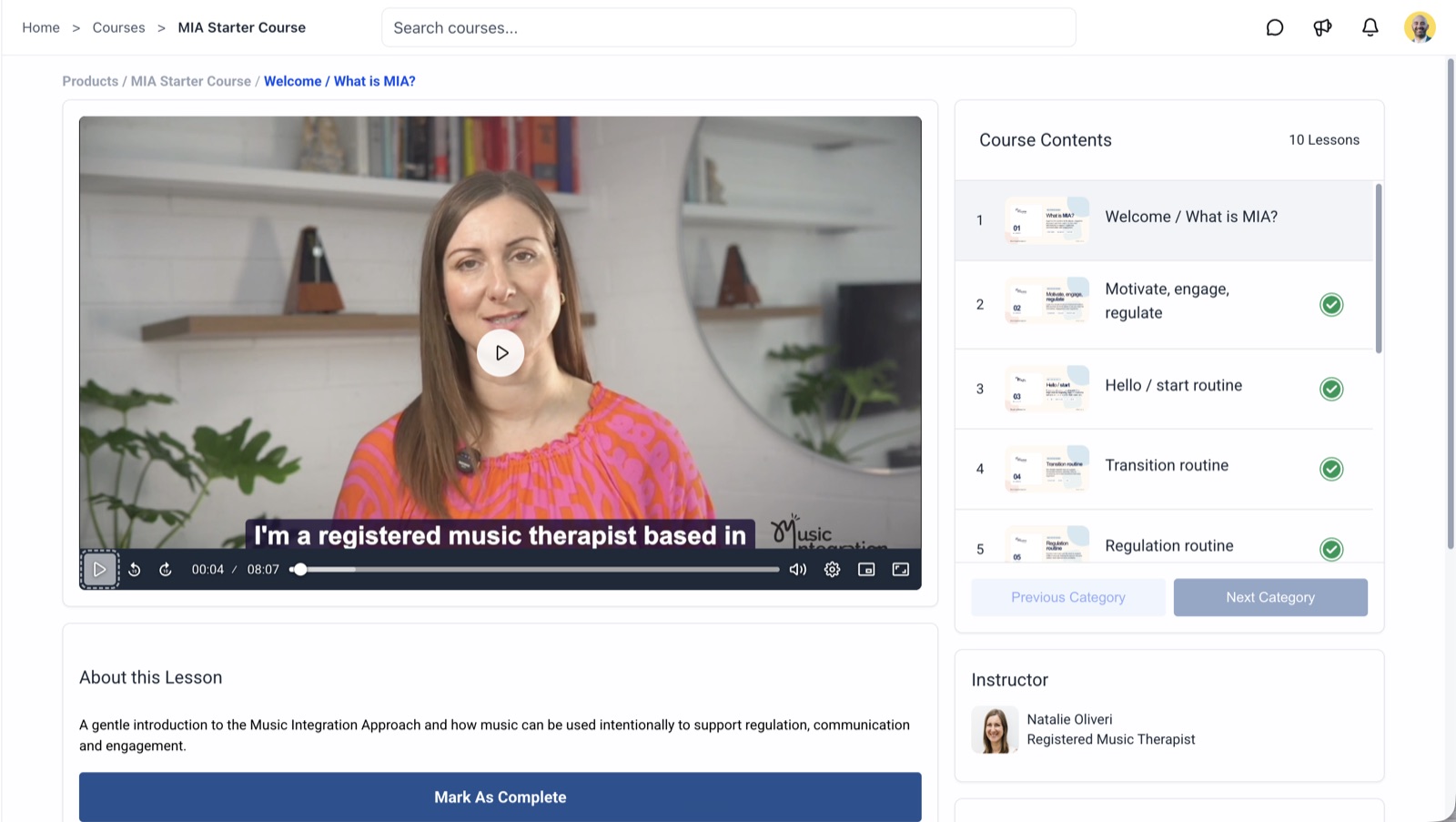
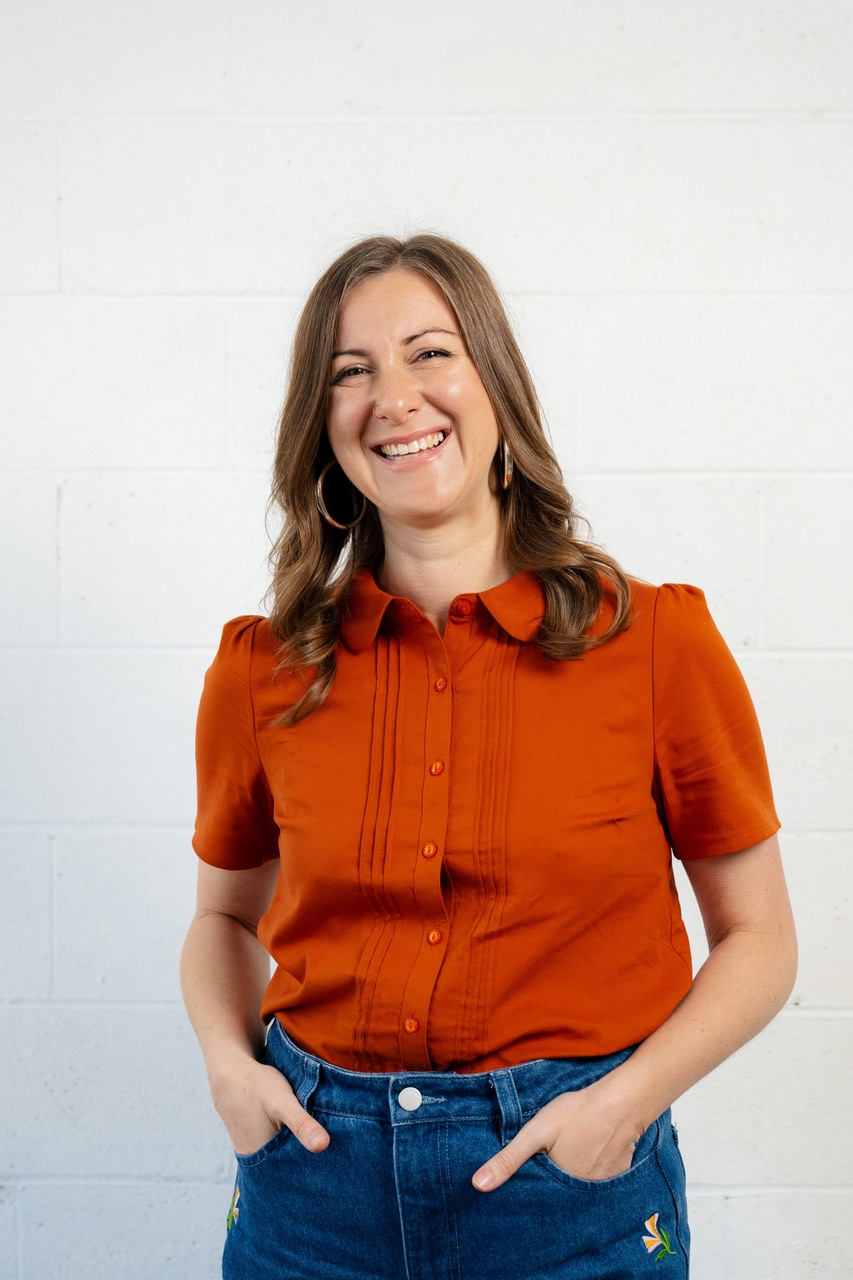
Registered Music Therapist
Natalie guides you through the Music Integration Approach with practical explanations and demonstrations you can relate to everyday settings.
The focus is on using music with intention: noticing the person’s responses, making thoughtful choices and starting with something small enough to keep using.
This is an introductory educational course. It does not qualify you as a music therapist or replace individual assessment, therapy or professional supervision. Use the ideas within your role and scope of practice.
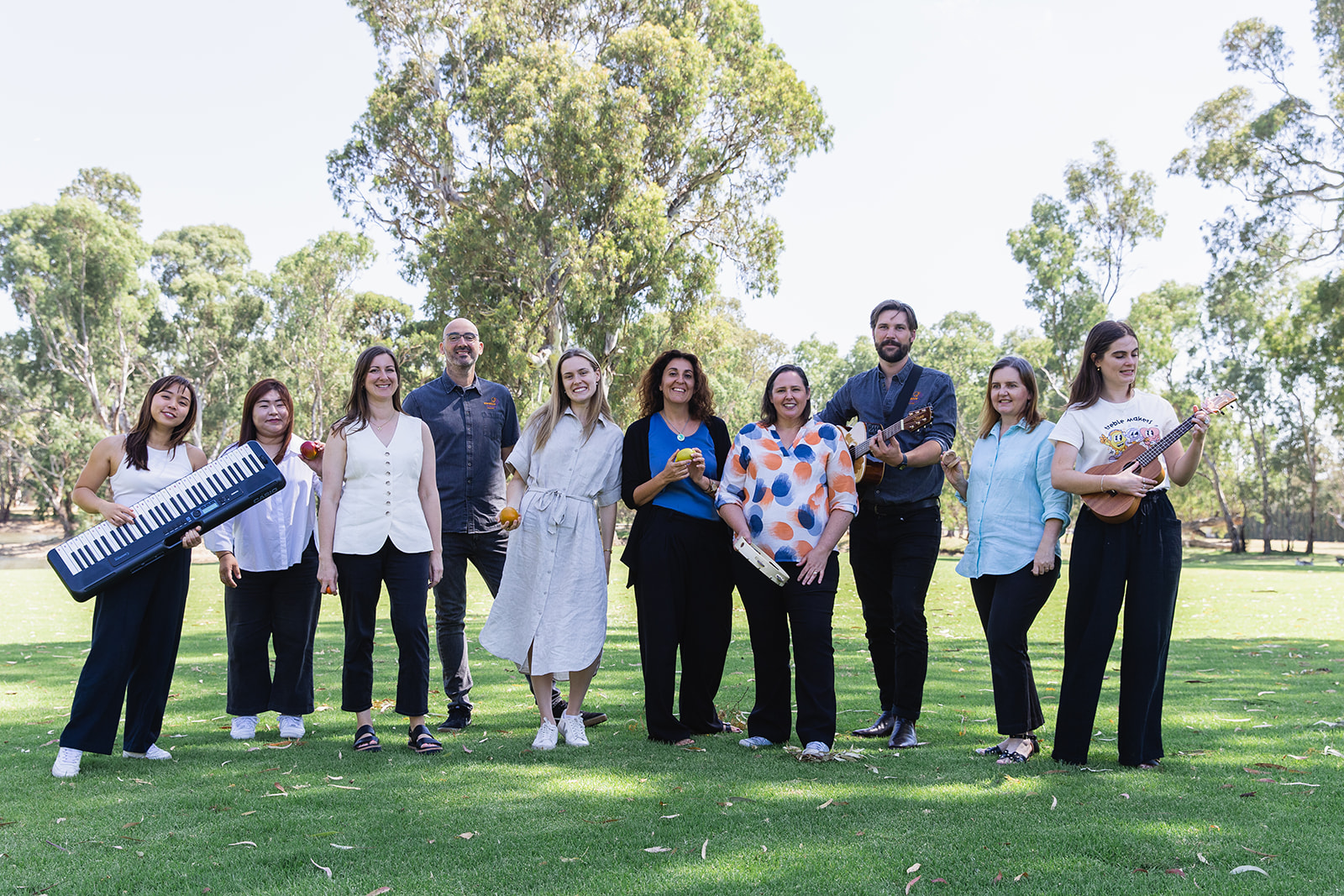
These approaches are used by the music therapists and speech therapists at Creative Therapy Adelaide.
Music can be integrated into familiar activities as a way to invite engagement, support shared attention and create opportunities for connection.
The Starter Kit brings this practical focus into an introductory course for parents and carers, educators and healthcare professionals — so you can explore where music might fit in your own setting.
At a MIA live event, participants learned about the same concepts described in this course. Afterwards, they reflected on their understanding and confidence before and after the session. Here is what they reported.
14 of 15respondents
Reported greater understanding of how music can be used intentionally with the people they support.
14 of 15respondents
Reported greater confidence in bringing music into their work or practice.
12 of 15respondents
Reported better understanding of how music may support neurodivergent people and people with sensory needs.
Written feedback highlighted familiar songs for routines and transitions, rhythm for regulation and opportunities for shared attention.
Feedback from a live MIA event for speech pathology practitioners. The course explores applications for home, education and healthcare settings. Based on 15 submitted post-event surveys. Before-and-after ratings were both collected after the session and reflect participants’ own perceptions. This feedback relates to the live event, not an evaluation of the online MIA Starter Kit or a measure of client outcomes.
You don’t have to change your whole day. Start with one familiar moment and one achievable action.

Complete enrolment for the course, resources and private community in one place.
Follow your access email, sign in and work through the ten lessons at your own pace.
Give it a try, use the challenge resource to reflect and bring your questions to the community.
No. You don’t need to be a musician. The course focuses on simple routines, recorded music and everyday activities you can adapt to your setting.
The Starter Kit is designed for parents and carers, educators and healthcare professionals. Choose activities that suit the person, their preferences and your role. Professionals should work within their own scope of practice.
The Starter Kit includes ten video lessons, practical course resources and access to the private MIA Starter Community.
Your purchase includes 12 months’ access to the course and private community. You can work through the lessons at your own pace during that period.
No. This is an introductory educational course, not a music therapy qualification or a substitute for individual clinical advice, assessment or supervision.
The current price, including GST, is shown at checkout. Payment is made once. There is no separate community purchase for this Starter Kit.
Use the password-reset option on the MIA Learning Portal. If you still need help, email [email protected].
Read the Terms of Purchase and Use, Privacy Policy and Refund Policy before enrolling.
Bring one simple routine into the moments that already matter in your home, classroom or professional setting.